


To see if this custom-fit item will work for you please tell us what vehicle you'll use it with.



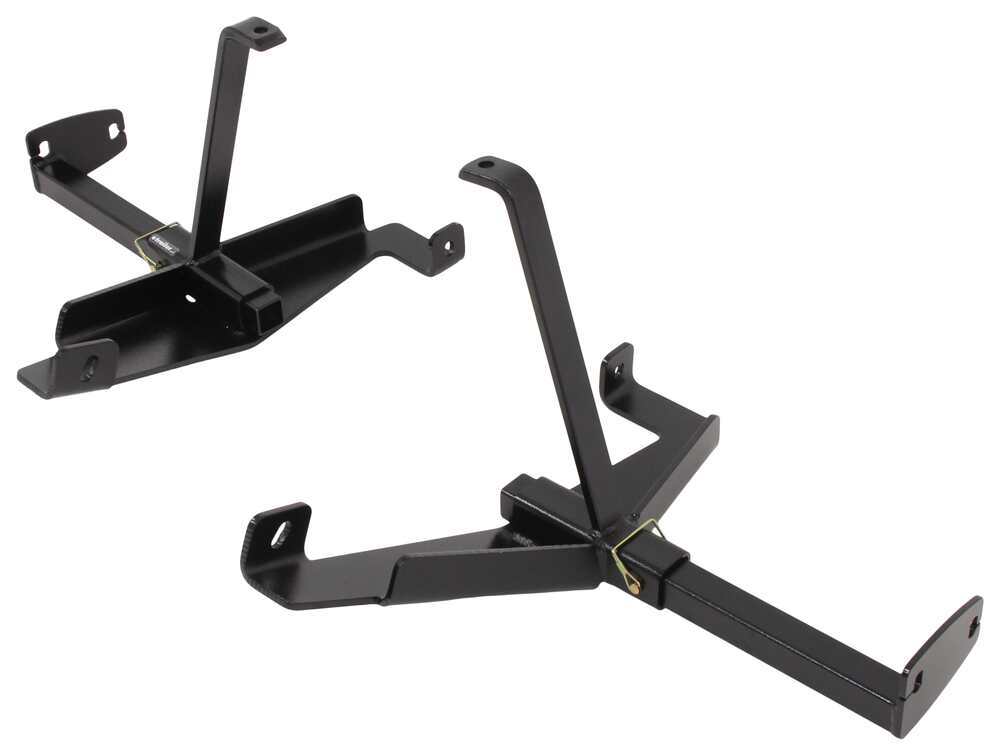
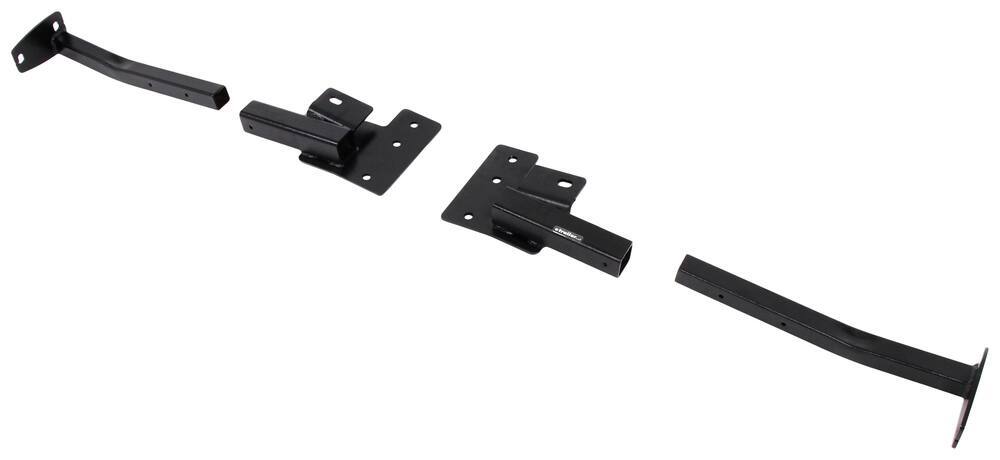
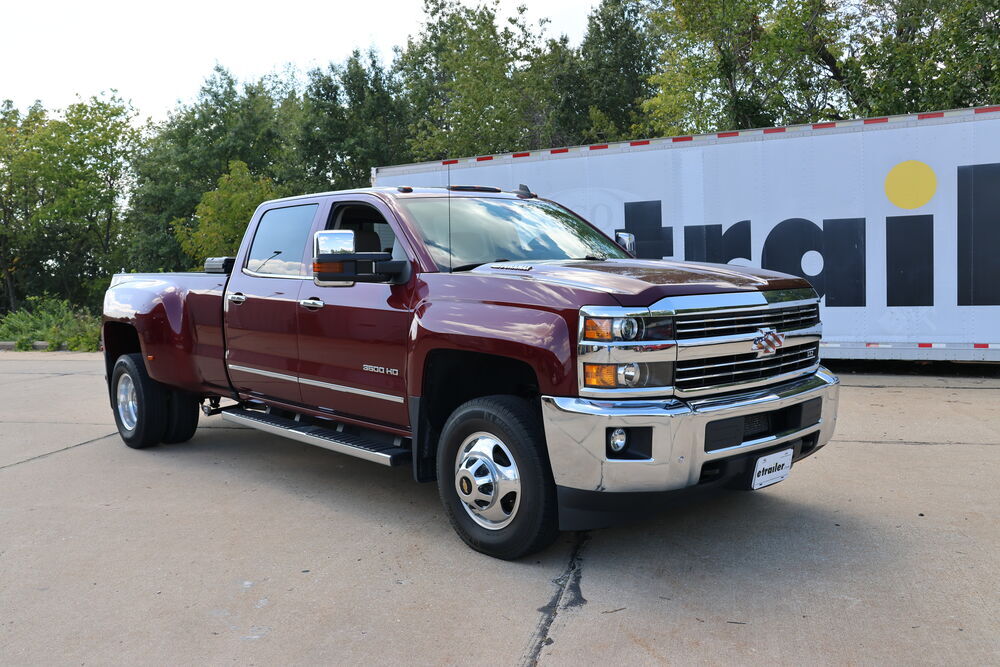
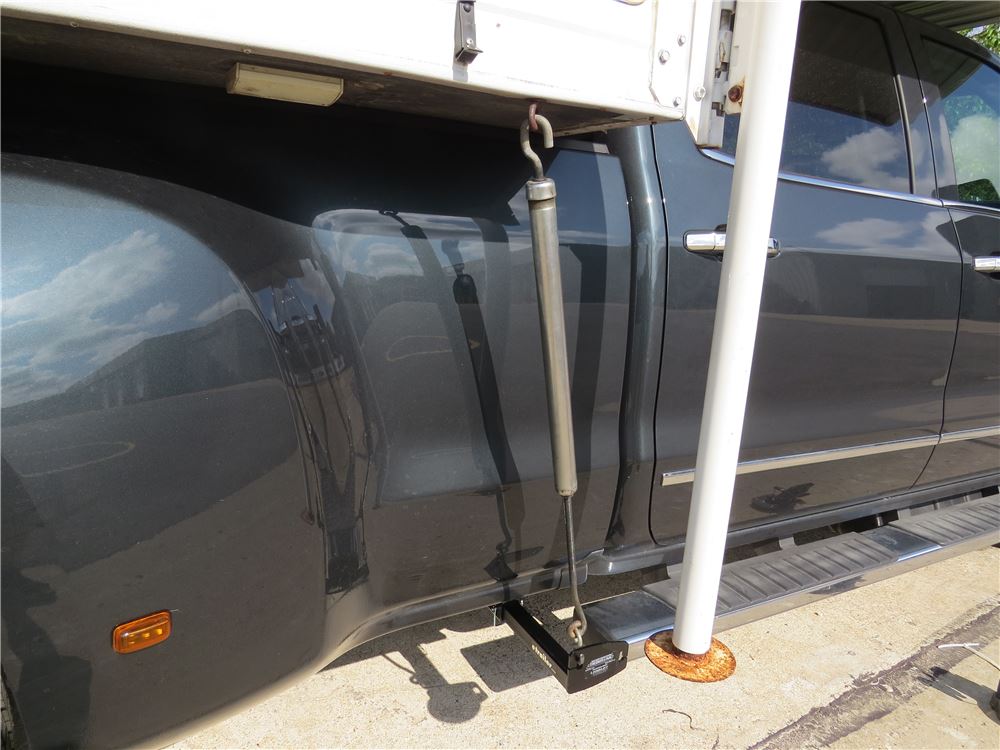
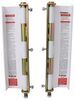
These frame-mounted tie-downs keep your camper locked down for a smooth, stable ride. By anchoring directly to the truck’s frame — the most solid part of your vehicle — they distribute weight evenly and lower the center of gravity. That means no top-heavy sway or shifting in crosswinds, even on long hauls or rough roads. You’ll notice your truck handles just as well with the camper loaded as it does when empty.
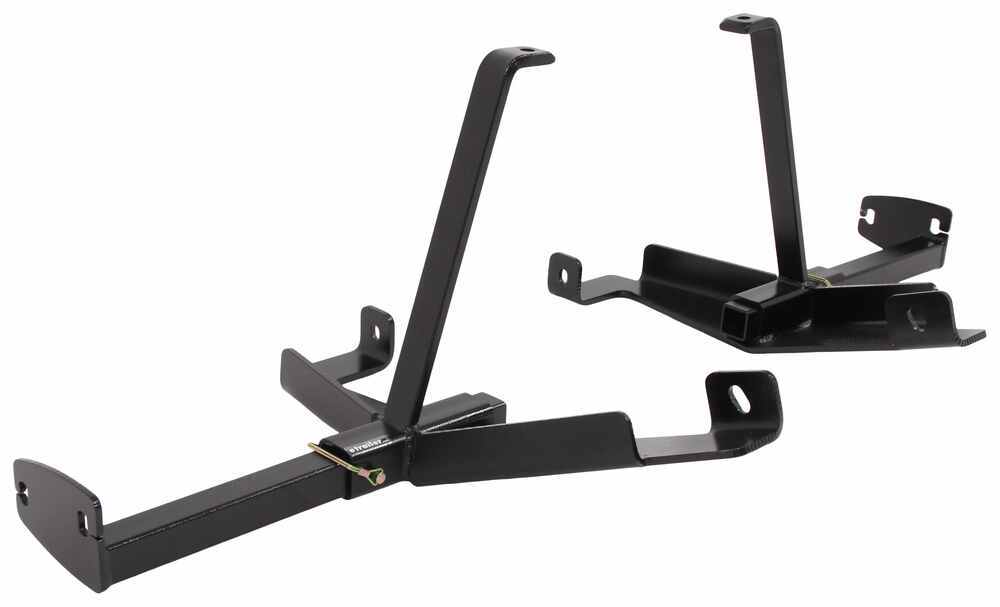
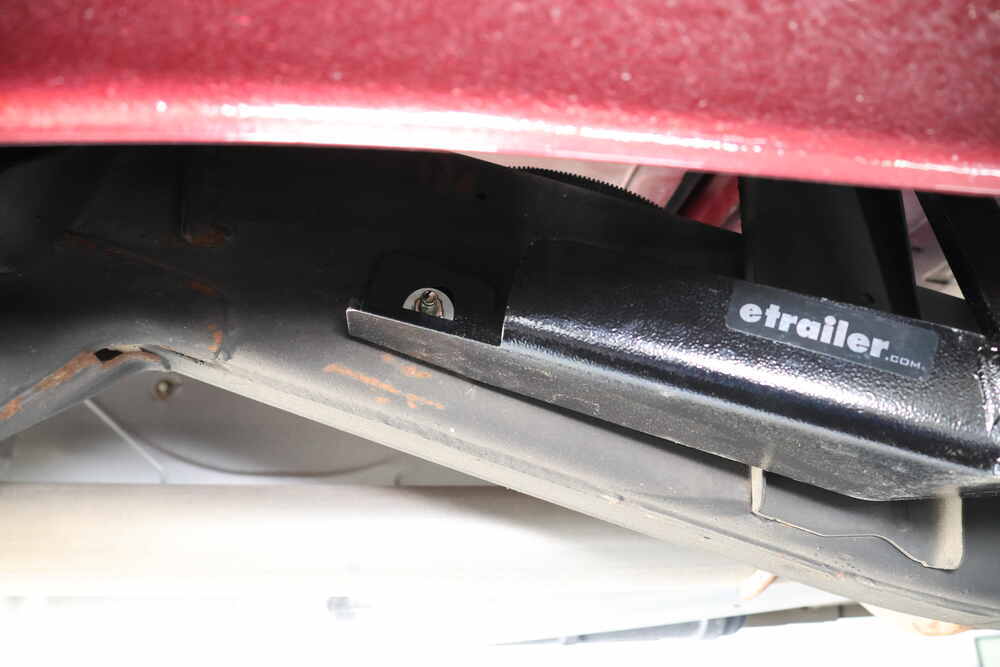
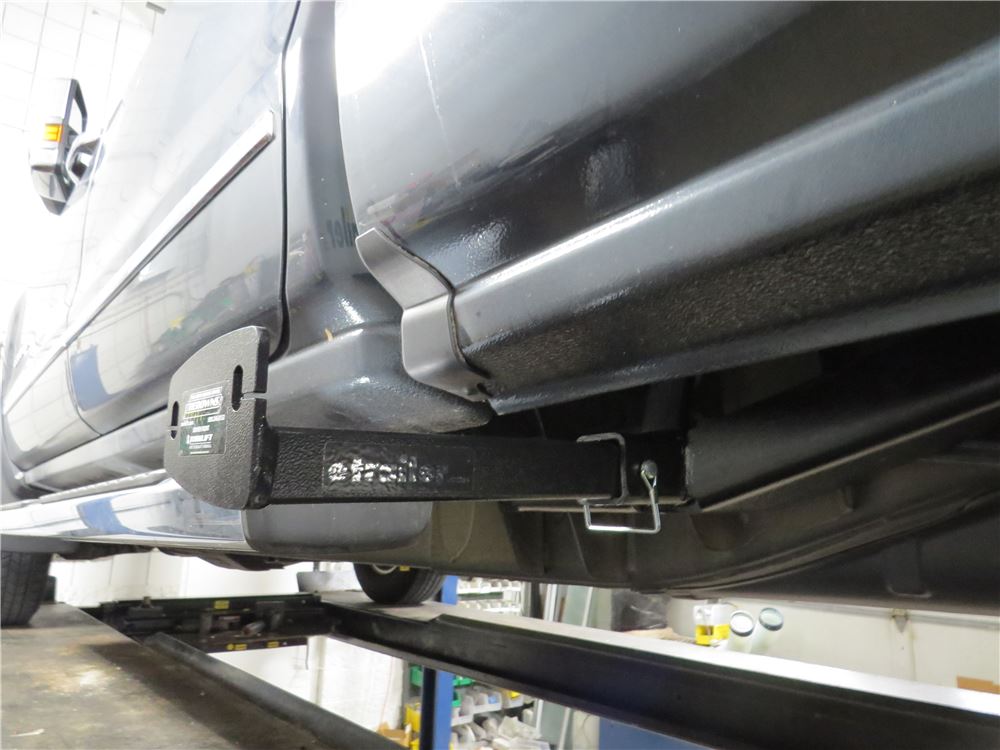
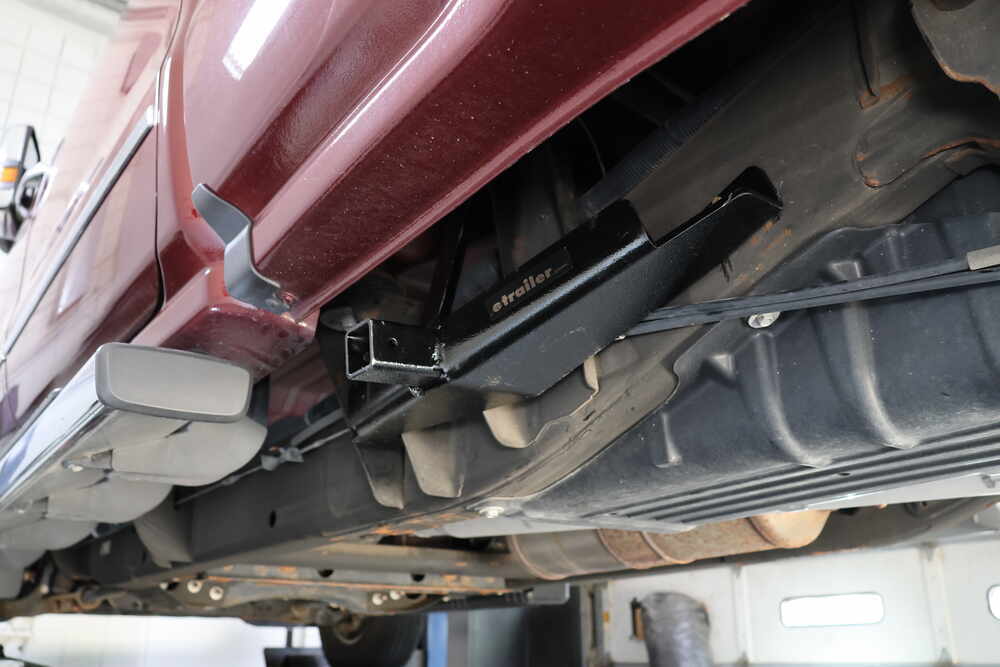
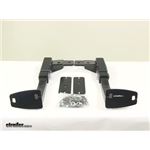
The custom-fit design uses pre-existing holes in the frame for a bolt-on install, so there’s little to no drilling and no cutting required. The brackets mount tight to the frame for minimal loss of ground clearance. Once installed, these tie-downs make it simple to set up your camper without altering your truck’s structure or appearance.
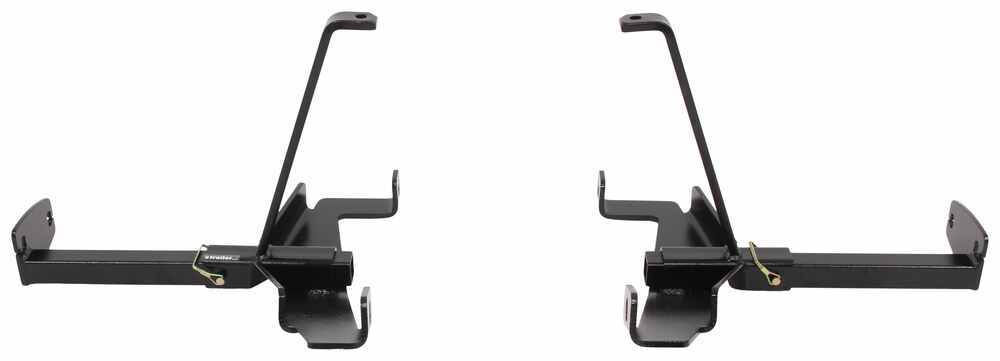
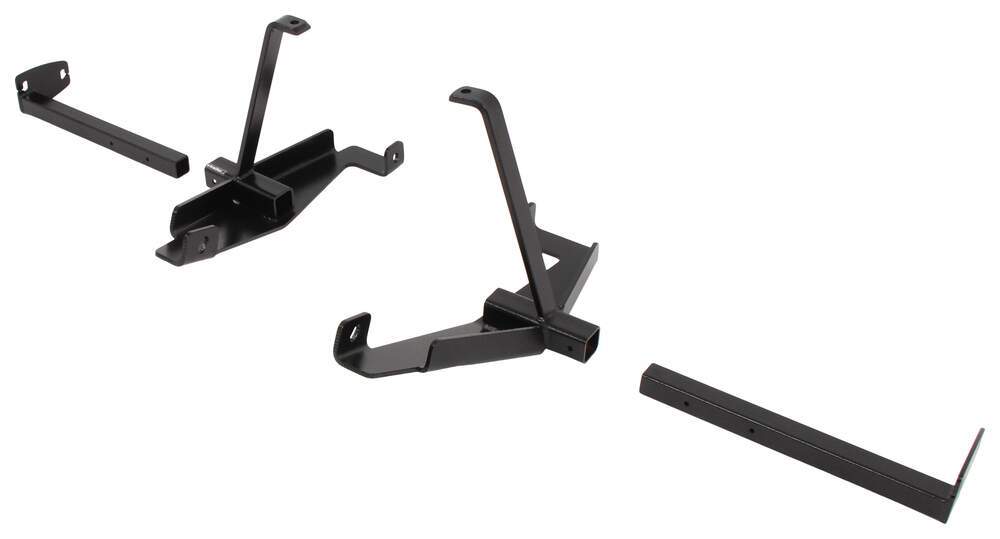
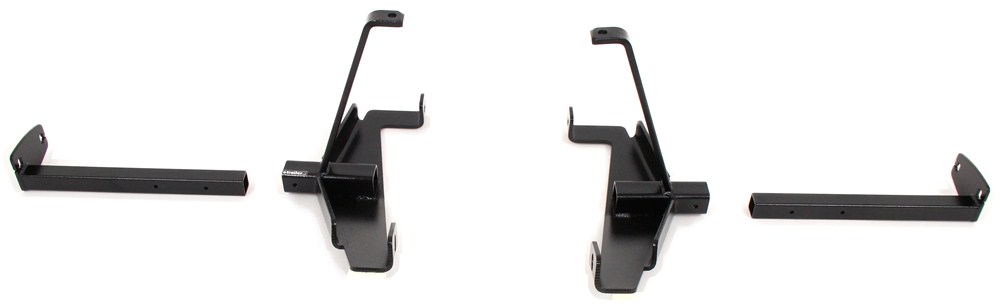
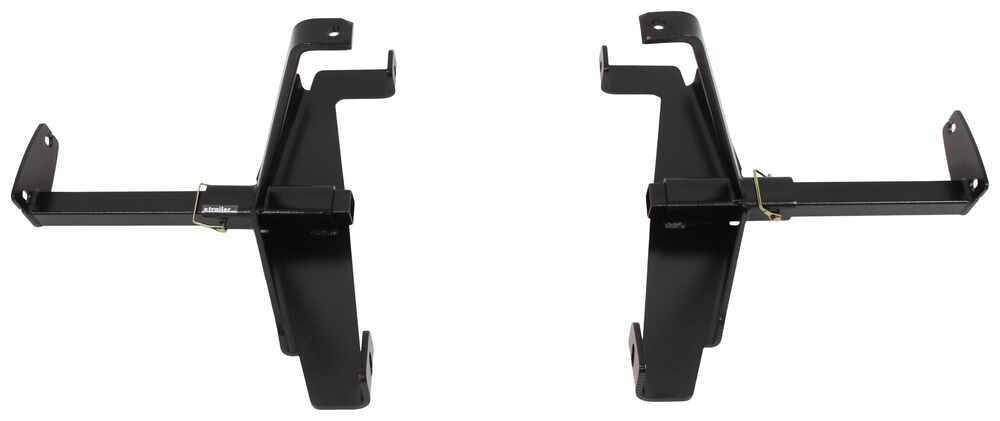
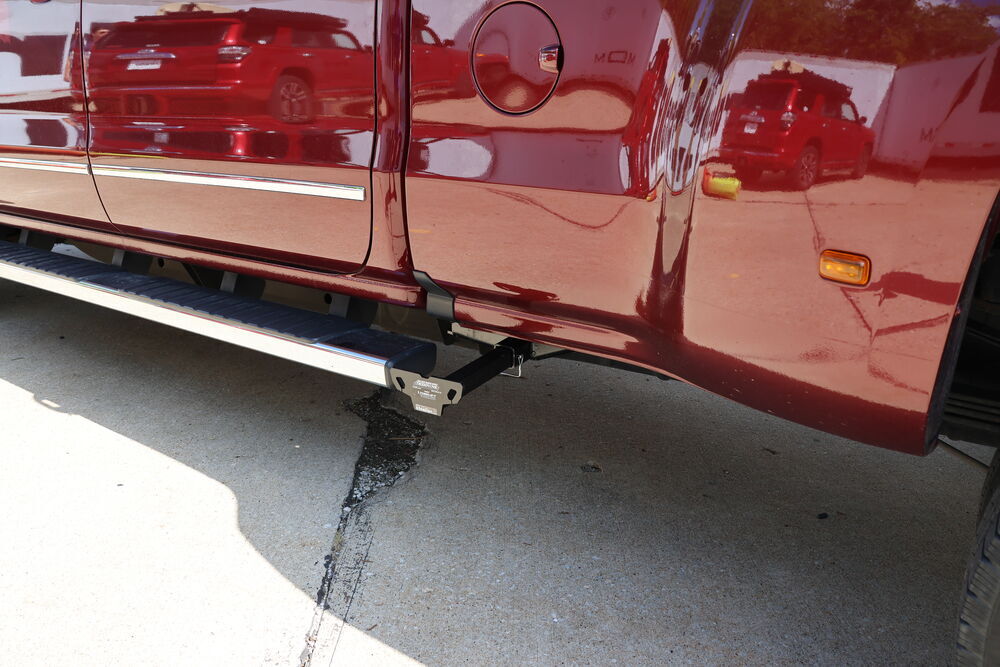
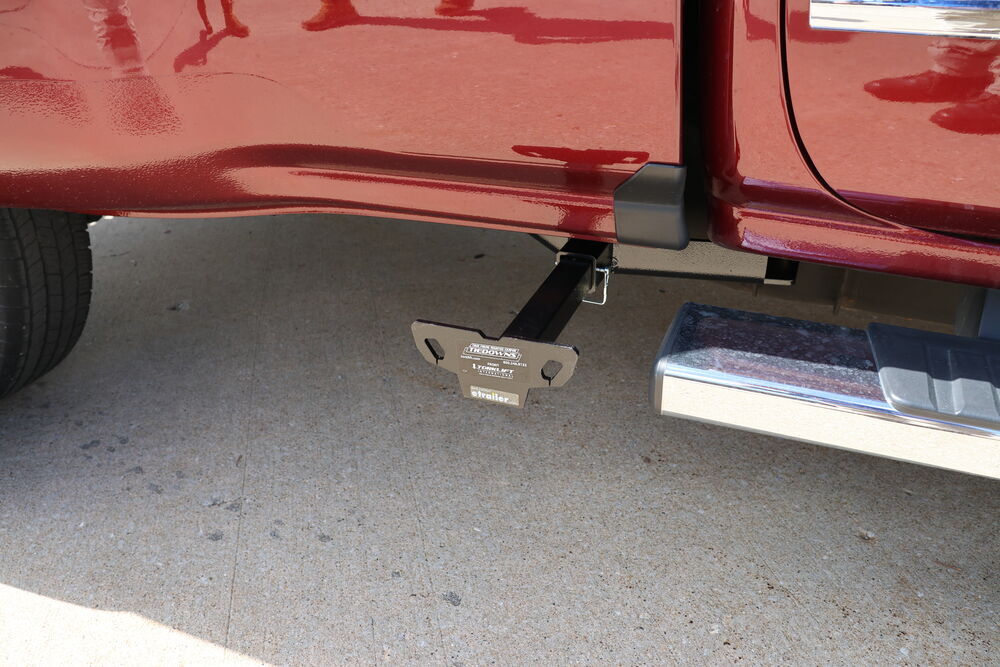
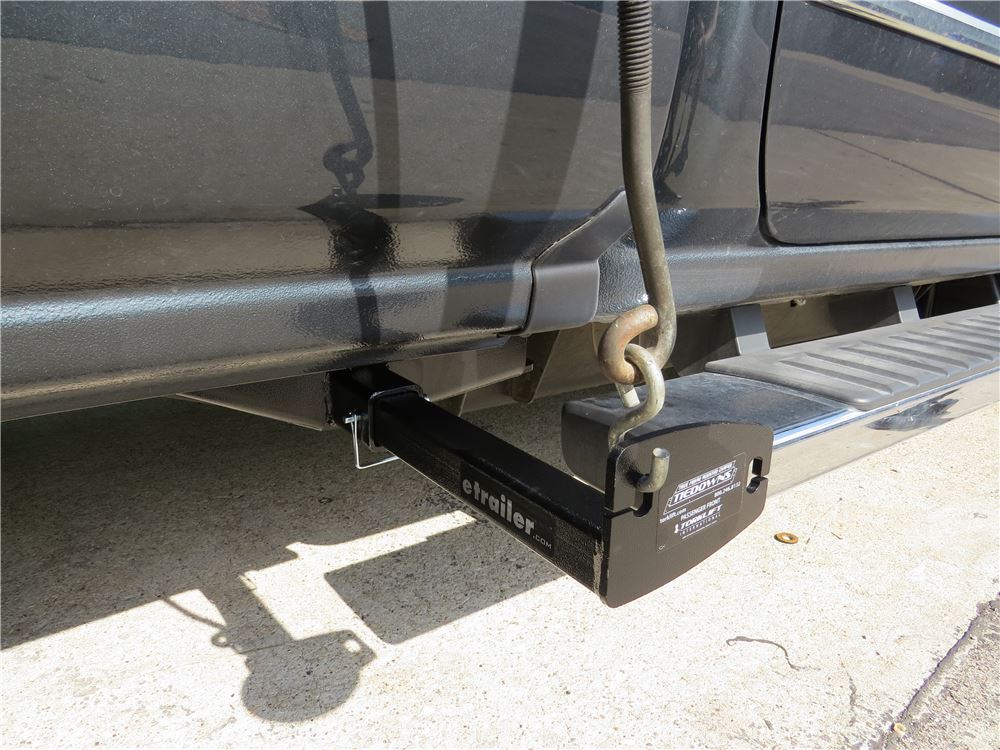
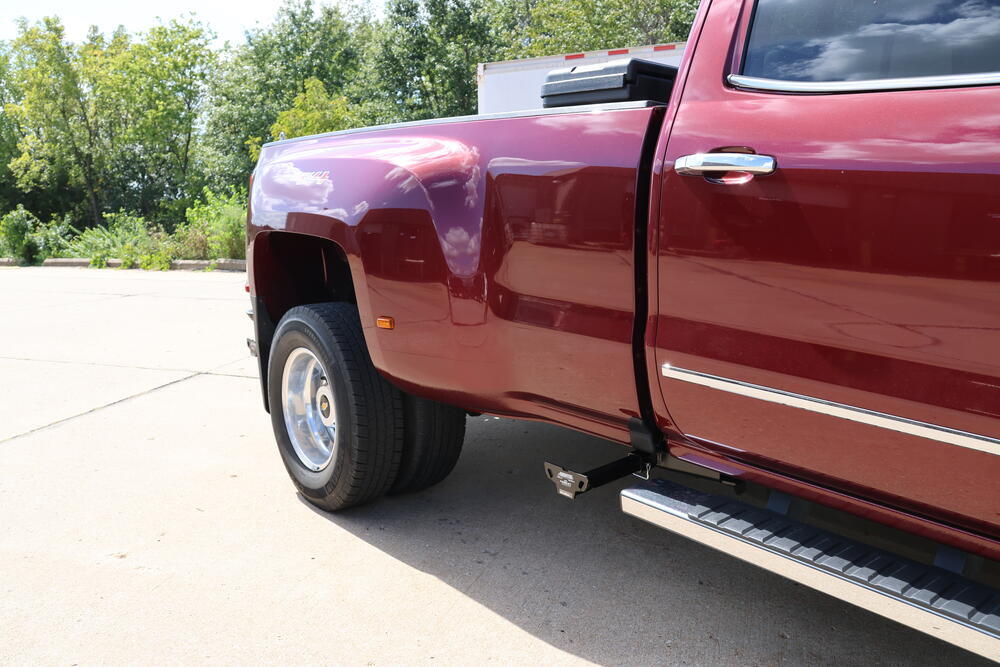
When you’re not hauling, remove the tie-down arms and the brackets are barely visible underneath the truck. The design stays tucked up and out of sight, preserving your truck’s clean look without any bulky equipment hanging down. It’s a setup that’s there when you need it and gone when you don’t.
Made from heavy-duty steel with a high-impact powder coat finish, these tie-downs stand up to weather, road grime, and vibration from long-distance travel. The durable coating adds extra protection against chips and corrosion, keeping the components strong and looking good through years of use.
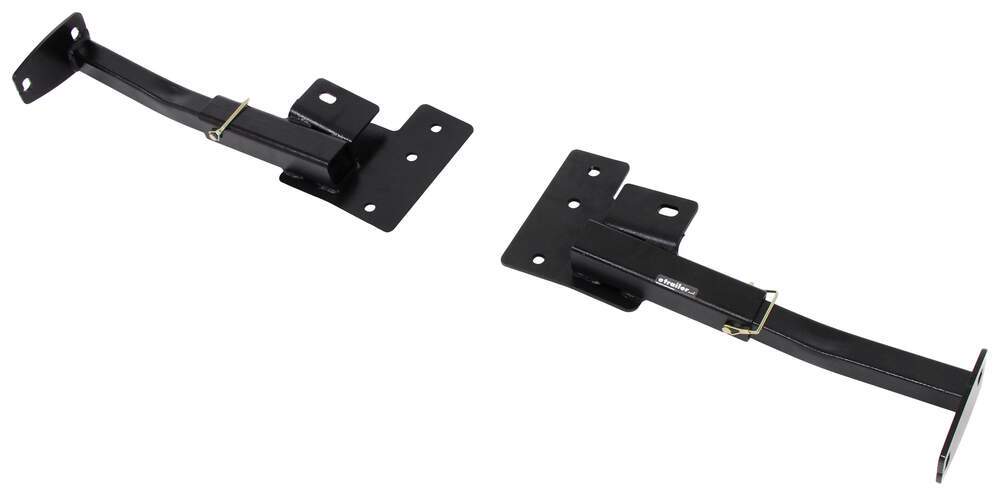
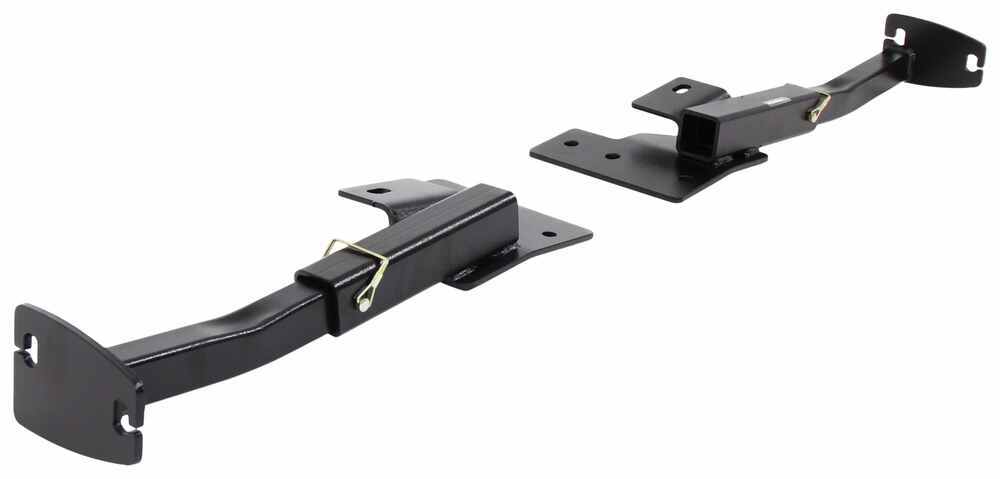
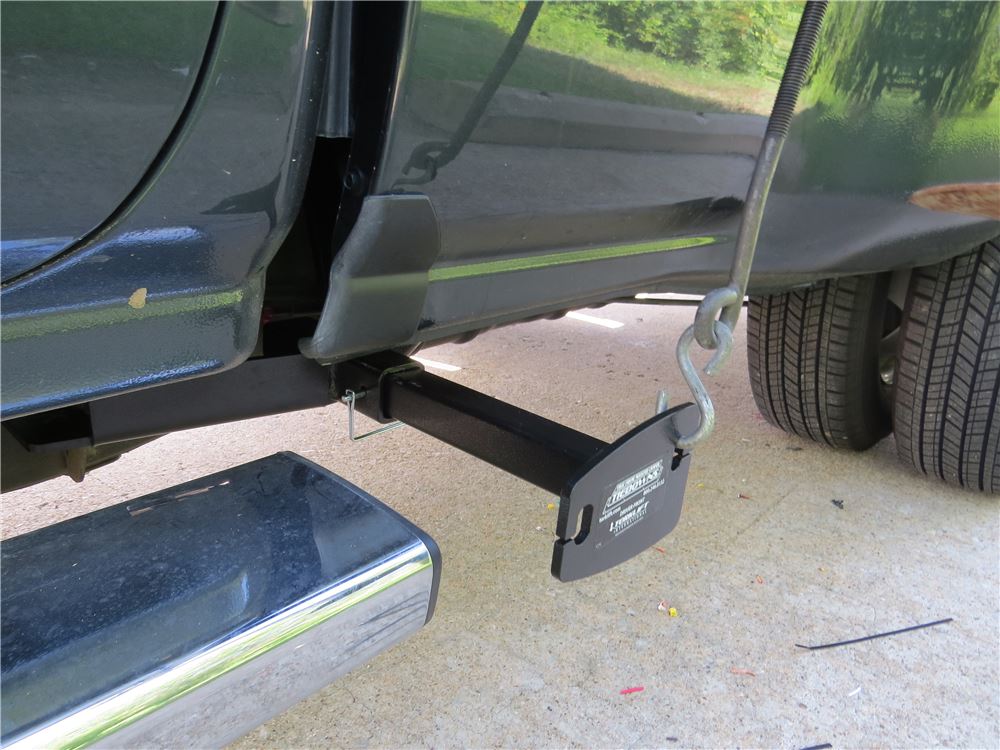
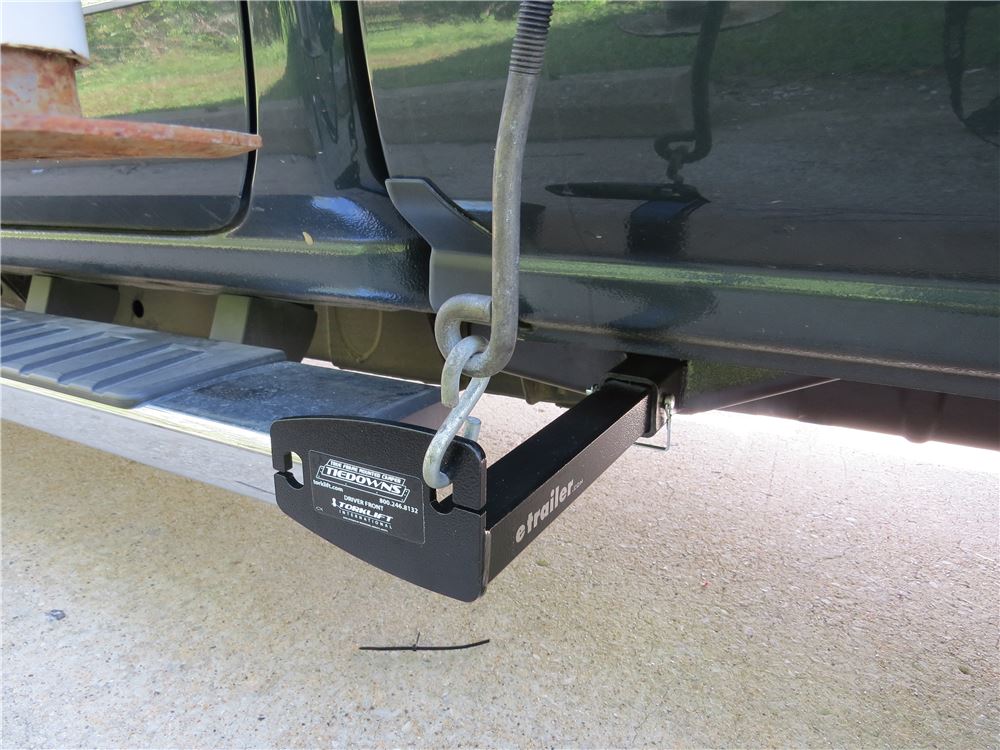
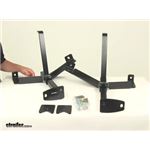
Each arm has two pin holes so you can extend them to clear your truck’s sidewalls or fenders and align with your camper’s anchor points. Two holes on each plate let you offset the connection for better stability from multiple angles. Add turnbuckles (sold separately) to finish securing your camper quickly and confidently before hitting the road.
Videos are provided as a guide only. Refer to manufacturer installation instructions and specs for complete information.
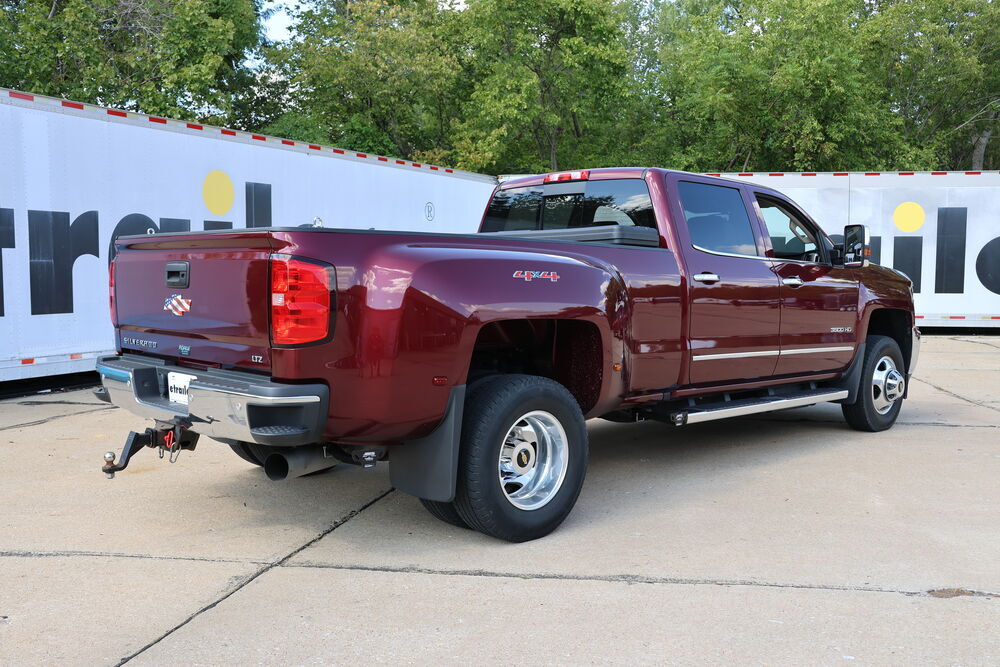
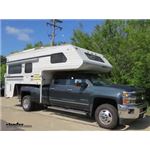
Speaker 1: Today on our 2016 Chevrolet Silverado 2500 we're going to be taking a look at and showing you how to install the TorkLift Custom Frame-Mounted Camper Tie-Downs for the rear, part number TLC3215. Here's what our camper tie-downs look like once we have them fully installed. Now, we are using them in conjunction with the front, and you can pick those up on our website using part number TLC2220. These are going to serve the purpose to keep our camper secure when we're driving down the road so we don't have to worry about it moving around on us. Now, our tie-downs are frame-mounted tie-downs, and the big advantage over the bed style tie-downs is the fact that our tie-down point is going to be lower, which is going to keep our load more stable instead of being up so high, and less top heavy, and it's going to be more structurally sound because it's going directly to the frame. What you're really going to appreciate about the fact that it's frame-mounted is we're not going to have to drill into our bumper or potentially cause any damage to our bed, which is also going to prevent rust from happening, keeping the value of your truck longer.One thing also that you're really going to like is you're not going to lose any ground clearance since it mounts to the frame, which is above our body here.
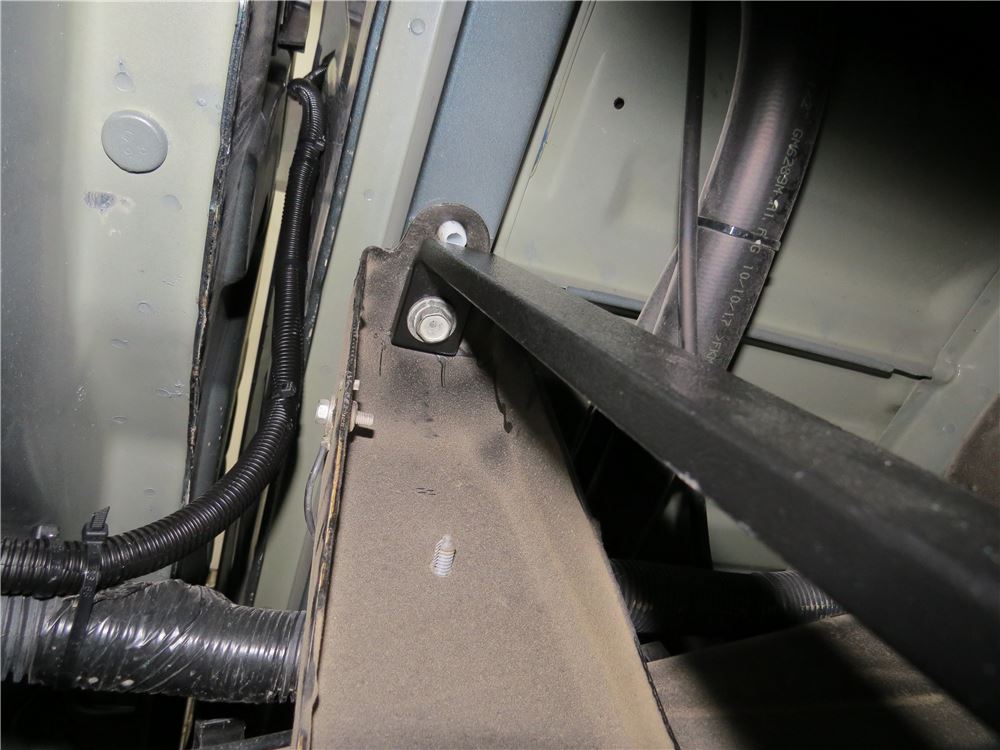
Now, another thing is that it's all made out of nice steel construction, it's got a black power coat finish, so it's going to look nice for a long time. When we're not towing our camper we can simply remove the pin and clip and the arm is going to come out, and it's virtually invisible, so it's not going to have a big gaudy thing to look at when we're not towing.Now, our arm has two holes in it, and that's going to accommodate different width of campers that you might have, so we have one here, it's going to stick out a little bit farther, or we can go into the second hole here, which will be a little bit closer to our truck. Now we always recommend that you use four tie-down points, and that's why we're using it in conjunction with the front, and you're really going to like the no-drill application, super simple installation.Now that we've seen what they look like and gone over some of the features, let's show you how to put them on. The first step in our installation is to come to our rear bumper, and we're going to come towards the inside toward the front of our cab of our truck, and we're going to find the spring perch that our leaf spring is mounted to. Here's where our leaf spring's mounted, and the perch is going to be right here.
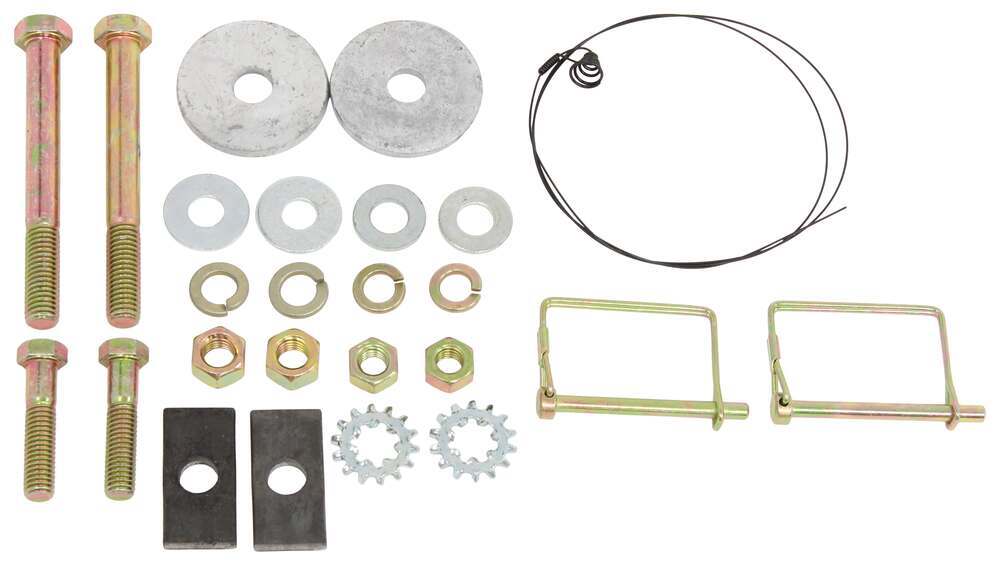
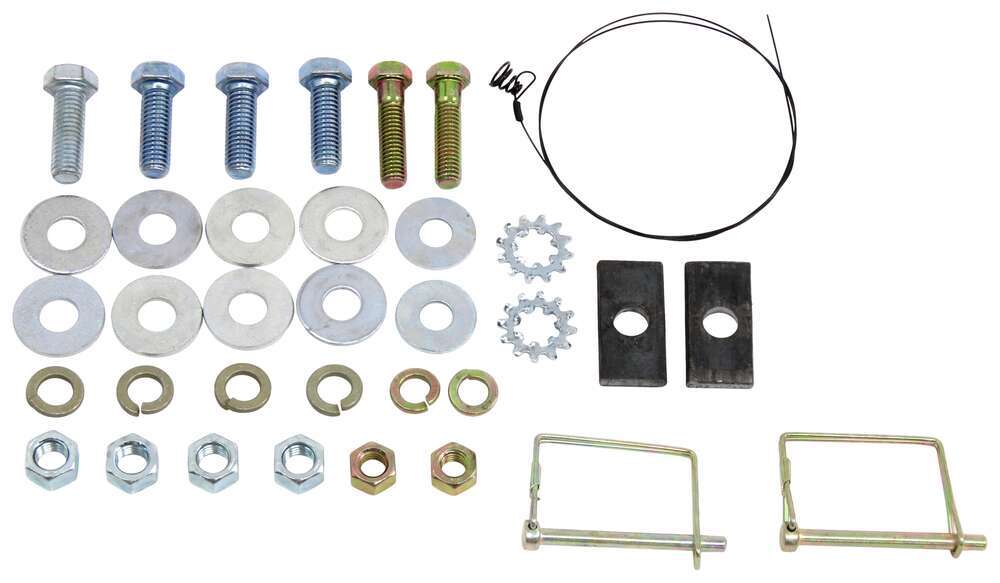
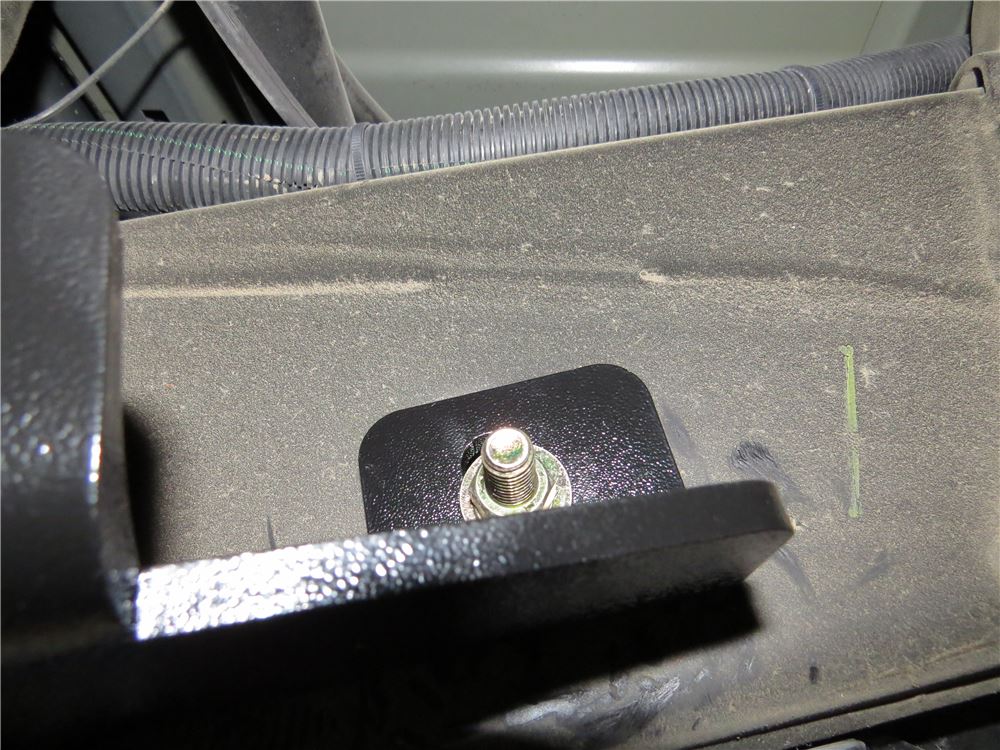
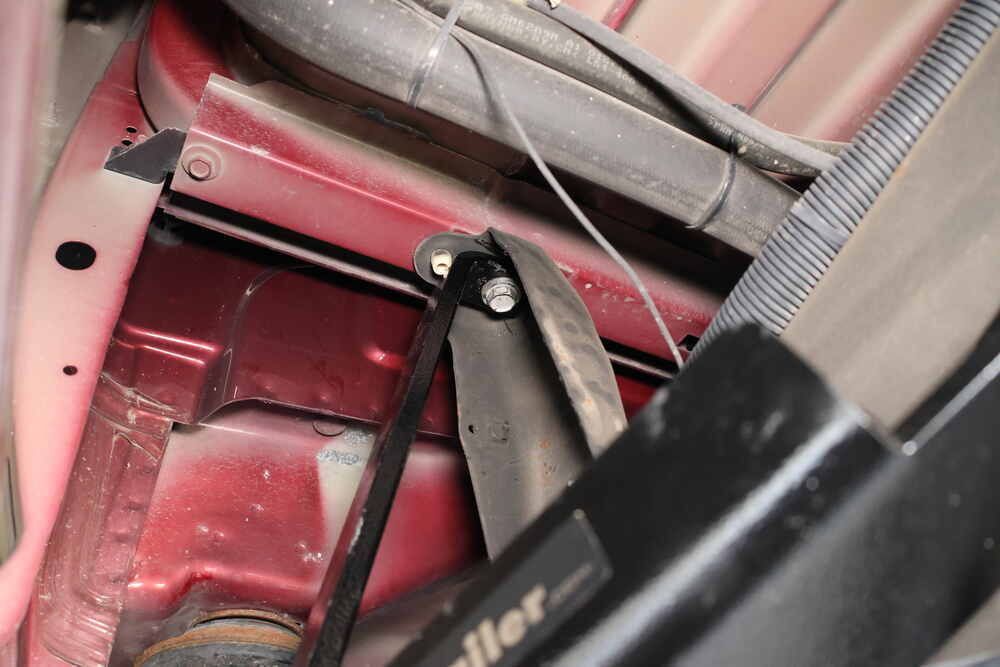
We're going to notice that there's a hole directly underneath our leaf spring right here, and we're going to need to get some hardware in place. Now we're going to take our pull wire and we're going to take the coiled end and we're going to feed it through that hole at the bottom of our spring perch, and we're going to feed it up and towards the center of our truck, towards the spare tire. There's going to be an access hole in the spare tire, and if you need to, you can just reach in and grab the pull wire till the coiled end's coming out. You don't want it to go all the way in, just enough so that you can get access to the coiled end again.We're going to take a 7/16 bolt followed by a star washer, and followed by a spacer block, so the assembly will look like this. Now we're going to thread out 7/16 bolt onto the end of the coiled pull wire and we're going to feed it through and pull our pull wire till it comes out the bottom here.
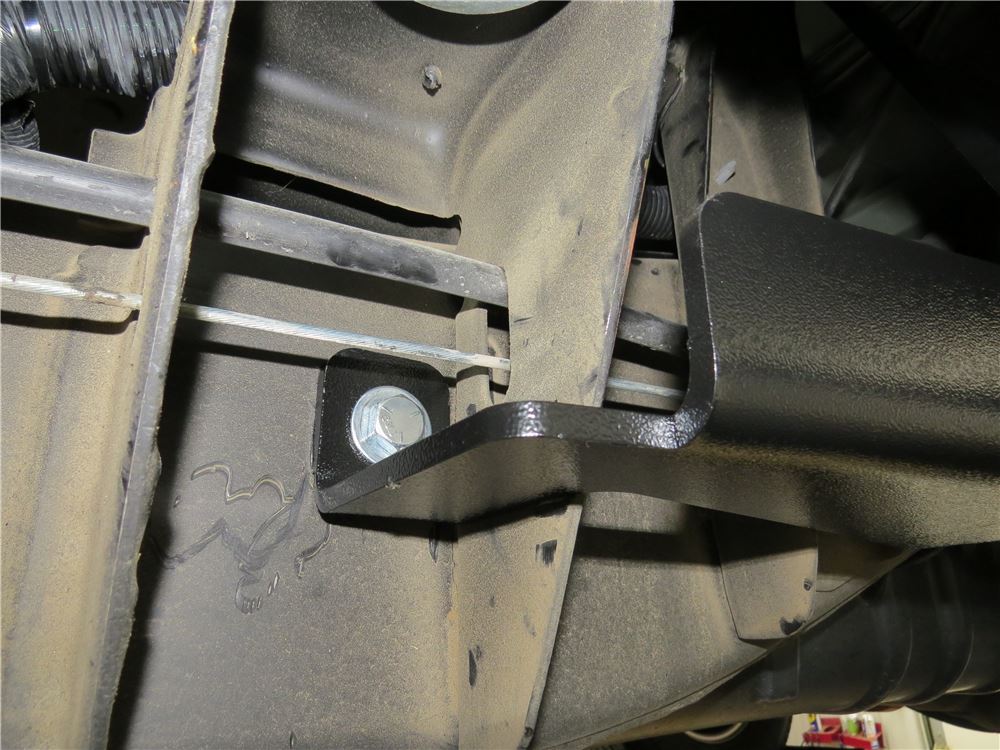
Now, I'll let you know that it's going to be much, much easier if you do this as one assembly rather than trying to do piece by piece, feeding it in place. If you can, you're going to want to put some tension on it and hold that block and washer and the bolt all together while you're feeding it in. It may take a little finesse and a little bit of patience to get everything through, and if you're having trouble you can reach through, if you can, maybe get a screwdriver and start prying on it until you get everything in place. The end result should have the bolt coming through with the spacer block and star washer engaged around it.You'll want to grab your passenger tie-down bracket, and we're going to know it's the passenger's side because the tab that's coming up off of the straight piece here will have an oblong hole and we're going to have three holes on the other side of it. Once we lift it up, we're going to take that bolt that we fed through, take our pull wire, feed it through that oblong hole, and we're going to lift it up into position, and you'll notice that it's going to line up with our factory hitch.
We can go ahead and pull our pull wire off, and I'm just going to pull it off, but you want to be extra careful and actually unthread yours because you're going to need it to put the other side on.Now, to secure this down we're going to take a spacer block, just like we had on the inside and we're going to follow that up with a lock washer and then a nut. We just want to put that on there hand tight as best as you can, and get ready to put the rest of our hardware in place. Our next step is we're going to have this spacer plate here and we're going to have three holes in it. We're going to be paying attention to the center hole first. Now we're going to take a 1/2 inch bolt and washer and we're going to pass through the center of our plate. Now we're going to need to get this inside of our hitch in this area here so that the holes will line up and that bolt's going to be coming to the bottom. The easiest way to do this is coming from the front side towards our cab and you're going to want to tilt the plate at about a 45-degree angle, and it's going to take a little bit of finesse because of that bolt in there, but you're going to pass it through until the bolt drops down through the bottom through both plates and our brackets.Now, this is for a short bed application. We'll notice that the rear hole is blocked by our hitch, but the forward hole, we're able to pass through and it lines up. We're going to take another 1/2 inch bolt and flat washer and we're going to drop through both brackets as well. Now, if you have a long bed truck, you're going to be using both outside holes and not the middle. Get ready to secure everything down. We're going to take a 1/2 inch flat washer followed by another lock washer and then finally we're going to come back with a 1/2 inch nut. Now, at this point you just want to get them hand tight so you can get everything in place, and if you push on the washer just a little bit, it will make it a little bit easier to start that nut and you don't have to worry about the bolt spinning as much. We'll go ahead and do that for the other bolt as well. Now, I'm going to come back using a 3/4 inch wrench and socket and I'm going to snug up all my 1/2 inch hardware.For my 7/16 hardware I'm going to be using an 11/16 socket. I'm going to come back and torque down all my hardware to the specified amount in the instructions. Finally, we take our bracket and we're going to notice it's going to have two holes. We're going to be using this one, slide it into place, take the included clip, going through both holes, coming out the other side and locking it into place. Now, you're going to know you have the right bracket because here on the rear the smaller end is going to be pointing toward the rear. When we don't have our camper in place, just so we know which one is which, we have a sticker to remind us that this is going to be our driver rear, as well as one for the passenger rear. Now we have that one on, you're going to want to go ahead and do the passenger's side as well. You just want to keep in mind you're just going to have to work around the tailpipe here.That will finish up your look at the TorkLift Custom Frame-Mounted Camper Tie-Downs for the rear, part number TLC3215 on our 2016 Chevrolet Silverado 2500.
Ratings & Reviews

Installation was fairly simple, instructions were good and I had everything I needed.
Installation took me about 45 minutes. The directions are not good, but enough to get them installed without much trouble.
The tie down work great on my 2024 F350 SRW Tremor.
To start, e-trailer has always been good to me and I have purchased from them many times. This product is well built and for that they would get high marks. The packaging was terrible! Heavy metal parts not adequately wrapped, thus one of arms punctured through the box. The plastic bag inside holding all parts is not adequately sealed (just a pinch seal like a ziplock bag) thus it opened up spilling contents all through the inside of box. When I went to pick it up from delivery, contents were spilling out all over. I photographed and notified e-trailer. I’d suggest better packaging and use box tape to seal the hardware bag.
Great product! Fits perfect to the frame and very good quality materials. Even fit perfectly with my rock sliders.
The rear Tie Downs were very easy to install the front ones was extremely nice not to have to do any drilling. With the extensions off and not using the camper You can't hardly tell they're installed and no clearance is lost!!
Fairly easy installation. Good instructions, but it helps to watch one of the YouTube videos first. With just the receivers, you can hardly even see them, they’re tucked underneath so well. Very sturdy. I feel very confident that no matter what, these babies will hold. They’re pricy, but well worth it.
I did a lot of research to find the right kind of frame mounts for my dads truck. Lots of local RV places didn't even know what I was looking for, or quoted me for the wrong parts. After I was certain I found the right tie downs, I contacted etrailer customer service chat representative and they were a great help at confirming the parts I found would in fact fit my dads truck. My husband and dad installed them in less than 2 hours. The parts came quickly and in excellent packaging/condition.
Great experience. The man that took the order was very familiar with the Torklift Tie Downs and was able to answer all my questions.
Product arrived quickly and install was simple with supplied parts, instructions and tools.
I installed these on a 2019 F250 Super Duty. The most challenging step was loosening the leaf spring nuts. Once that was done, the install was a piece of cake. Tehran not in use, they are not very noticeable. They are very sturdy and hold the camper securely. Although the entire system (w/fast guns) is a bit pricey, they are well worth it!
With the exception of removing the emergency brake lines. I could have done this job of mounting the front and rear mounts in under two hours, instead of three. Excellent design and looks great!
Order the kit. This is the second set I have ordered in the last few months. etrailer ships fast and makes sure you can track your shipments. Also notifies you every step of the way. I appreciate the follow through with keeping me informed at when my package will arrive. I tried to buy these direct from the manufacture but they wanted more than etrailer and I had to find back and front sets. They did not sell them in kits.
Also glad the etrailer doesn't play the game of shipping in the lower 48 states only BS, there are 50 official states ins the USA (51 if your counting Alberta)! Plus numerous US territories...
Second set of Torklift camper tiedown brackets I have purchased. 1999 Dodge 2500 and 2016 Ram 3500. Fit good. No drilling. I would buy again. Good product. (I am a certified ASME, AWS, API, welder and fabricator). No hype, just fact.
I would say that the Torklift kit fit my 2024 GMC sierra pro crew cab perfectly the shipping to Canada took 5 days which I thought was fast delivery and it shipped the same day it was ordered
Ordered for 2025 GMC 3500HD to carry our Arctic Fox slide in camper. Kits were shipped right away and arrived in Anchorage in 5 days (as ordered). The tie downs are excellent quality, all hardware arrived with the kit, instructions were "OK", installation on rear tie downs a little tricky, but managed to do ourselves. Looking forward to some great camping adventures. Thanks for the GREAT service!
We had a hiccup with my order and it was lost in cyberspace for a day until I called and was able to get it going. Unfortunately, I needed them by Saturday and I ordered them Wednesday. They didn't ship until Thursday afternoon and didn't arrive until Monday. The seller of the camper was kind enough to hold the camper for me, but it was touch and go there for a while.
Installing them was a challenging because the pictures in the guide were difficult to see which slowed the installation down a little. It took 2 of us about 3 hours to install them. Now that they are on the truck with the camper they seem to be working great! The only problem remaining is the front tie downs use a bolt to hold the tie down to the frame and it obstructs the passage, so it will only advance as far as the first pin making the second hole unreachable (it sticks out from the truck a few extra inches and makes the extension wobble up and down until the turnbuckle was installed).
great fit, works great, strong parts, works perfect! etrailer was excellent in making sure I received the correct parts. I highly recommend etrailer, if in doubt, call them, don't try and wing it, they will set you up with the correct parts! I will use etrailer again!
Absolutely the only way to correctly attach your truck camper. Pair these white Fastguns and it’s a great combo. I just went on a 5000 mile trip with my TC and never moved an inch.
They seem stout and were easy enough to install. I added my own 2” square rubber caps to the ends to keep road debris out when they’re not in use, those should be included. For $850 the packaging could use some work. They arrived all banged up, the “high impact powder coat” is worn off in several areas leaving bare steel exposed.
I ordered this kit for my 2018 Ford F150 'Heavy Half' regular cab, long bed pickup. The tie downs came with all the necessary hardware, good instructions, were easy to install with basic tools, and required no drilling. Shipping was very fast. I would absolutely recommend TorkLift tie downs and etrailer.com.
After selling previous truck camper and getting a new truck these tie downs are outstanding. The direct fit for year make model is awesome. Takes the guess work out installation. The install instructions were really good as well as etrailers videos. etrailer is the great providing product install walk thru. The adjustability of these tie downs made my life easier when I picked up my new TLRV 8 foot truck camper.
Amazing customer service and easy to work with. Tie downs are heavier duty than I anticipated, which is a surprise compared to many other camper tie down products on the market. UPS delivery was a disappointment though, delivery was supposed to be 28 August and did not receive my last package until 3 September.
Easy to install by myself, install took about 3 hours and the mounts look great!I will have no worries with these camper tie downs!Fast shipping and all the hardware was included...Website videos were exactly how the install went
I have no photos, believe me the instructions are spot on!! The trickiest part is the bolt pull thrus. But with patience, can be easily done. I have a torque wrench, but I'm sure with extensions, the readings are inaccurate. No way to execute without. After I got it tight, I went a little tighter...
Info for this part was:
At etrailer we provide the best information available about the products we sell. We take the quality of our information seriously so that you can get the right part the first time. Let us know if anything is missing or if you have any questions.





















Thank you! Your comment has been submitted successfully. You should be able to view your question/comment here within a few days.
Error submitting comment. Please try again momentarily.